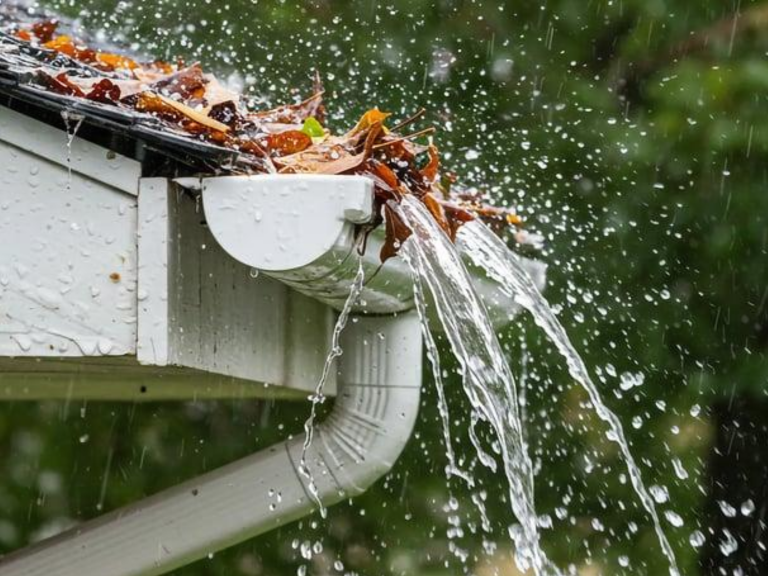
When autumn arrives, falling leaves, heavier rainfall and changing weather can put household guttering to the test. If water starts spilling over the sides of the gutters whenever it rains, it could be a sign that something needs attention.
Overflowing gutters are a common property maintenance problem, but they shouldn't be ignored. If rainwater isn't draining away properly, it can run down external walls, contribute to damp problems and collect around the foundations of a property.
DP Roofing helps homeowners understand the importance of maintaining their roofs and guttering, particularly as the colder, wetter months approach. Knowing what causes gutters to overflow can help homeowners identify potential problems and decide when to arrange professional repairs.
One of the most common reasons for overflowing gutters is a blockage.
During autumn, leaves, twigs, moss and other debris can accumulate in guttering. Over time, this material can restrict the flow of rainwater, preventing it from reaching the downpipes.
When heavy rain arrives, the water has nowhere to go and may spill over the edges of the gutters instead.
Homeowners should pay particular attention to gutters beneath trees and areas where leaves regularly collect. Keeping guttering clear can help rainwater drain away as intended, although any cleaning should be carried out safely.
If gutters are overflowing repeatedly, a professional inspection can help establish whether a blockage or another issue is responsible.
Even when the gutters themselves appear clear, a blocked downpipe can prevent water from draining away properly.
Downpipes carry rainwater from the gutters towards the property's drainage system. If leaves, moss or other debris restrict the flow, water can back up into the guttering and overflow during rainfall.
A damaged, disconnected or poorly aligned downpipe can also cause water to escape where it shouldn't.
If water continues to collect in the gutters despite them appearing clear, the downpipes may need checking to identify the cause.
Guttering needs to be positioned correctly to allow rainwater to flow towards the downpipes.
Over time, brackets can loosen, fixings can deteriorate and sections of guttering may begin to sag. When this happens, water can collect in low spots rather than draining away efficiently.
During heavy rainfall, these areas may fill up and overflow.
Incorrectly installed guttering can cause similar problems, particularly if the slope is insufficient to direct water towards the outlet.
A roofing professional can assess the alignment and condition of the guttering and recommend any adjustments or repairs that may be needed.
Gutters are exposed to the elements throughout the year, and age, weather and general wear can affect their condition.
Cracks, holes, loose joints and damaged seals can allow water to escape. Although this may look like an overflowing gutter, the underlying issue could actually be a leak.
Look out for water dripping from joints, persistent damp patches beneath the guttering or visible damage to the sections attached to the roofline.
Damaged guttering may need repairing or replacing, depending on the extent of the problem.
Sometimes, guttering can struggle to cope with particularly heavy rainfall, especially if there are existing blockages or drainage issues.
The size and design of the guttering, the roof area draining into it and the condition of the downpipes can all influence how effectively rainwater is carried away.
If gutters overflow during intense rainfall but appear to work normally at other times, it is still worth checking that the system is clear, correctly installed and in good condition.
Repeated overflowing shouldn't automatically be dismissed as a weather problem, as it may indicate that maintenance or adjustments are needed.
As the weather becomes colder and wetter, guttering may need to deal with frequent rainfall, falling leaves and stronger winds.
If water repeatedly spills over the edges, it can contribute to several problems, including:
Damp external walls: Persistent water running down brickwork can contribute to moisture problems.
Damage to fascias and soffits: Leaks and overflowing water may affect the roofline over time.
Water collecting around the property: Poor drainage can allow water to accumulate near the building.
Further deterioration: Existing cracks, loose brackets or damaged joints may become more noticeable if the underlying problem is left unresolved.
Addressing guttering problems during autumn can help homeowners prepare their properties for winter and reduce the risk of avoidable water damage.
Some guttering problems are straightforward to identify, but others require a closer inspection.
Homeowners should consider seeking professional help if gutters continue to overflow after being cleared, sections appear loose or damaged, water is leaking from joints, or there are signs of damp around the roofline.
It's important to avoid climbing ladders or accessing roofs without the appropriate equipment and experience. A professional can inspect the affected areas safely and help determine whether cleaning, repairs, realignment or replacement is the most suitable solution.
Overflowing gutters can be more than just an inconvenience. They may indicate a blockage, damaged guttering or a drainage problem that needs attention.
With autumn bringing falling leaves and heavier rainfall, it's a sensible time for homeowners to check the condition of their roofline and guttering before winter arrives.
DP Roofing can be contacted by homeowners looking to discuss roofing and related maintenance requirements. If water is regularly spilling over the gutters or there are signs of damage around the roofline, arranging a professional assessment can help identify the problem and determine the next steps.


