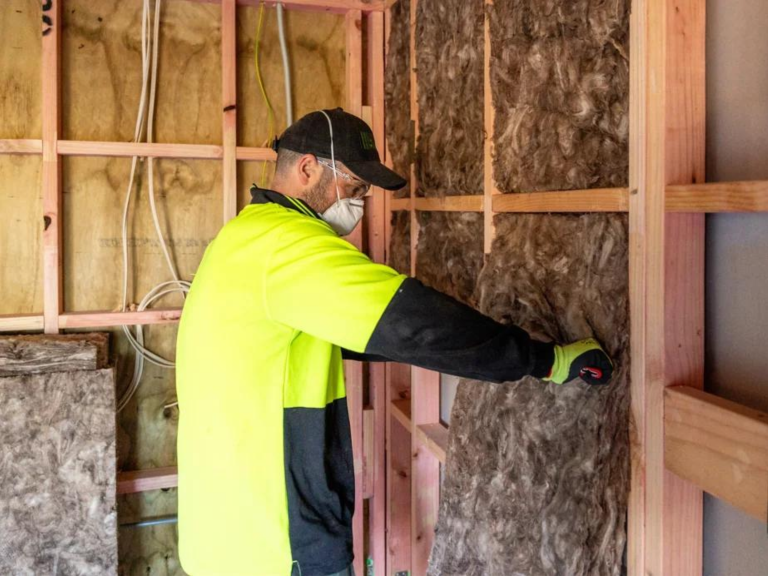
With energy costs an ongoing consideration for many households, improving a property's energy efficiency can be a worthwhile investment. From reducing heat loss to upgrading heating systems, the right home improvements can help homeowners use less energy while making their living spaces more comfortable.
However, making a home more energy efficient doesn't always mean undertaking a major renovation. Some improvements are relatively straightforward, while others may require more planning and investment.
Parsons & Sons understands the important role that heating and hot water systems play in a home's overall efficiency. Exploring the improvements available can help homeowners decide which changes may be most beneficial for their property.
Heat naturally rises, meaning a poorly insulated roof or loft can allow valuable warmth to escape.
Adequate loft insulation helps slow heat loss through the roof, making it easier to maintain a comfortable indoor temperature during colder months. This can reduce the amount of energy needed to heat the property.
The appropriate insulation depth and type will depend on the property, the existing materials and whether the loft is used for storage or as a living space.
Before installing or upgrading insulation, it's important to consider ventilation and ensure that roof timbers and the loft space remain in suitable condition.
External walls can account for a significant amount of heat loss, particularly in older properties without suitable insulation.
Depending on the construction, homeowners may be able to improve efficiency through cavity wall insulation or internal or external solid wall insulation.
The right approach depends on the age and design of the building, its existing condition and whether there are any issues with damp or ventilation.
A professional assessment can help establish which options are suitable and whether any remedial work should be completed first.
Heating and hot water account for a substantial proportion of the energy used in many homes. If a boiler is old, inefficient or frequently requires repairs, it may be worth exploring whether an upgrade could improve performance.
Modern condensing boilers can recover heat that would otherwise be lost through the flue, helping them use fuel more efficiently than many older models.
However, replacing a boiler isn't automatically the best option for every household. The condition of the existing system, the property's heating requirements and the cost of installation should all be considered.
A qualified heating professional can assess the current system and explain whether repairing, upgrading or replacing the boiler is likely to be the most appropriate choice.
Sometimes, improving heating efficiency starts with the system already installed.
Radiators that contain trapped air may develop cold spots, while sludge and deposits can affect water circulation through the heating system. These problems can make it harder for rooms to reach a comfortable temperature.
Depending on the issue, bleeding radiators, balancing the system or arranging a professional heating-system clean may help improve performance.
Homeowners should also check that radiators aren't obstructed by large pieces of furniture or heavy curtains, as these can restrict the movement of warm air around a room.
If radiators remain cold or the heating system struggles to warm the property, a heating engineer can investigate the cause.
Heating controls can help households manage when their heating operates and how warm different rooms become.
A suitable programmer or smart thermostat can allow homeowners to set heating schedules around their daily routines, avoiding unnecessary heating when the property is empty.
Thermostatic radiator valves (TRVs) can also help regulate the temperature of individual rooms, allowing different areas of the home to be heated according to their needs.
The best setup depends on the existing heating system and how the property is used. Correct installation and configuration are important to ensure that the controls work effectively.
Draughts around windows and doors can make a home feel colder and encourage homeowners to turn up the heating.
Sealing suitable gaps, repairing damaged seals and improving draught-proofing can help reduce unwanted air movement.
For properties with older or inefficient windows, double or triple glazing may also help reduce heat loss and improve comfort. However, the potential benefits will depend on the existing windows, the property's construction and the cost of the upgrade.
Ventilation must still be maintained, particularly in kitchens, bathrooms and other areas where moisture builds up.
Homeowners planning larger energy-efficiency improvements may also wish to explore renewable technologies.
Solar panels can generate electricity from daylight, potentially reducing the amount of electricity purchased from the grid. Their suitability and likely output depend on factors such as roof orientation, shading and available space.
Heat pumps offer another option for some properties. They use electricity to transfer heat from the outside environment into the home and can operate efficiently when correctly designed and installed.
However, a heat pump may require changes to the property's insulation, radiators or wider heating system. A professional assessment can help determine whether it is a suitable option.
Not every home needs the same upgrades. An older property with poor insulation may benefit most from reducing heat loss, while another home may need attention to its heating controls or an ageing boiler.
Before committing to expensive work, homeowners should consider:
Making changes in the right order can help homeowners avoid spending money on upgrades that don't address the property's main sources of energy waste.
Improving a home's energy efficiency can involve several different areas, but the heating and hot water system is an important place to start.
From investigating heating performance to discussing suitable boiler upgrades and heating controls, Parsons & Sons can be contacted by homeowners looking to explore their plumbing and heating requirements.
Whether the aim is to improve comfort, make better use of energy or plan future home improvements, understanding the available options is the first step towards a more efficient home.


