Artificial intelligence is quickly becoming part of everyday working life. Businesses are using it to organise information, create training materials and save time on repetitive tasks.
It is therefore no surprise that some businesses may be tempted to use AI to produce their health and safety documents too. Type in a job description, ask for a risk assessment and, within seconds, a professional-looking document appears.
That might feel like a job ticked off the list, but a risk assessment needs to do much more than look convincing.
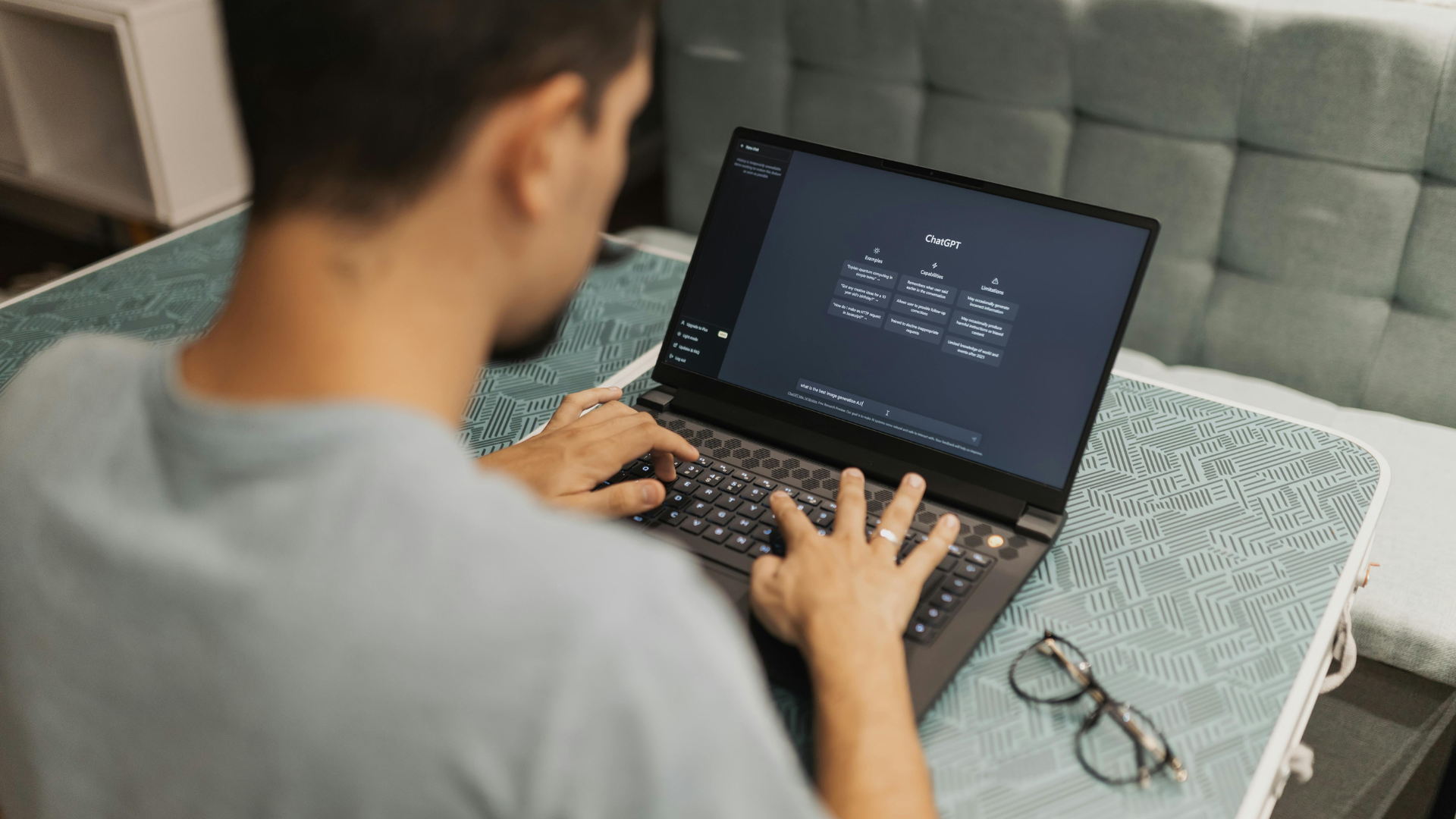
AI Cannot See the Real Workplace
AI can suggest common hazards, questions to consider and a basic structure for a document. What it cannot do is walk around the workplace, watch how a task is completed or notice the shortcuts that people sometimes take when they are busy.
It will not see the poorly positioned machine guard, the crowded walkway or the piece of equipment that behaves differently on certain days. It also cannot speak to the employees who understand the job better than anyone else.
This is why DBIM creates risk assessments through direct observation and conversations with the people carrying out the work. The finished documents reflect the real task, the real conditions and the real people involved - not simply what a generic template says should happen.
A Helpful Tool, not a Replacement
There is nothing wrong with using AI to support the process. It may help businesses create an initial checklist, improve the wording of a document or identify areas that need further investigation.
The danger comes when its answer is accepted without being checked. A generic risk assessment can overlook important hazards or recommend control measures that are unrealistic for the workplace.
Keep People at the Centre
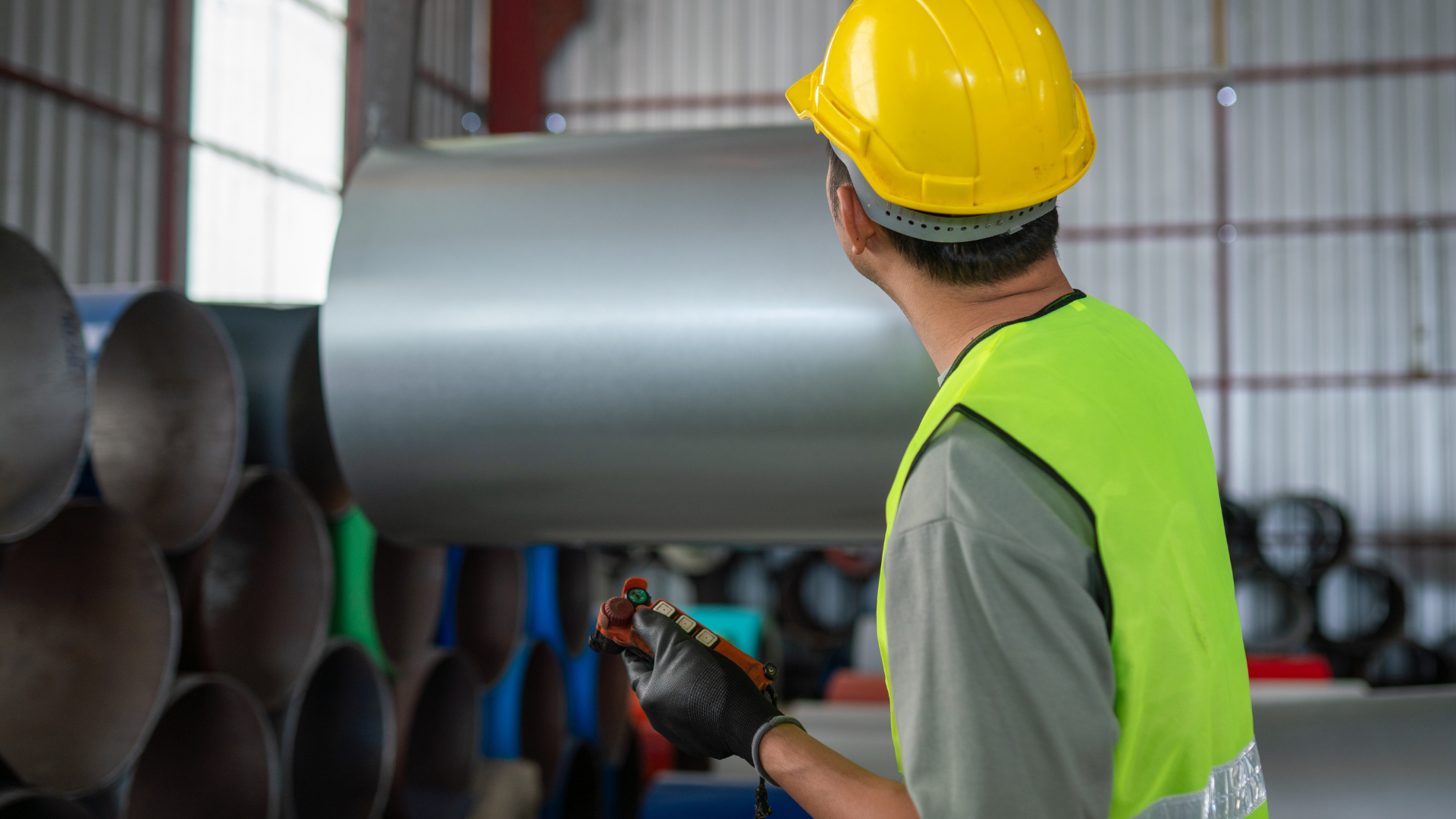
A useful risk assessment should be easy to understand, relevant to the job and practical enough for the team to follow. DBIM’s approach is based on walking the floor, speaking to operators and writing documents in plain English so they are genuinely used, not forgotten in a folder.
AI may help with the paperwork, but it should never replace experience, observation and a proper conversation with the people doing the job.


