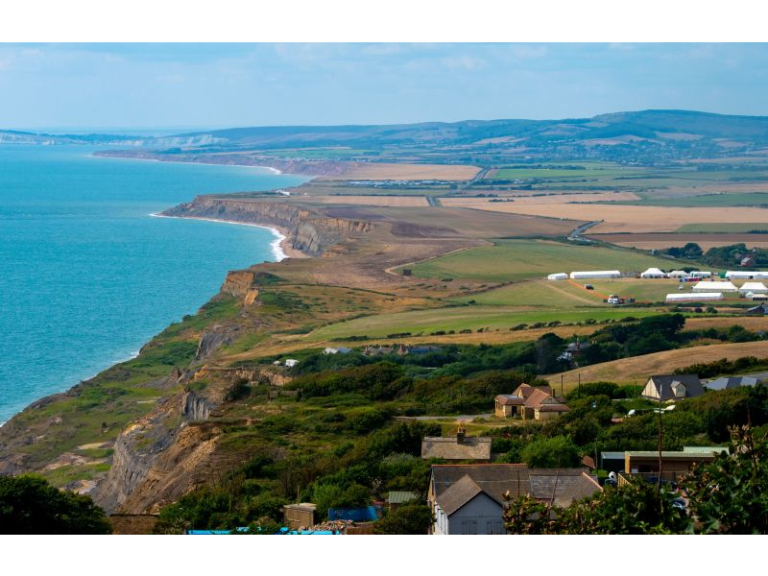
The Isle of Wight is much more than a seaside destination. Its buildings, ruins and cultural landmarks reveal stories from Roman Britain, medieval conflict, Victorian royalty and the development of coastal transport. Travelling between historic sites can feel like moving through entirely different chapters of British history. These places are rewarding for specialist enthusiasts, but they are equally appealing to anyone who enjoys architecture, gardens or a story with a strong sense of place.
Discover the royal world of Osborne
Osborne in East Cowes offers an unusually personal view of Queen Victoria and Prince Albert’s life. The house, gardens, Swiss Cottage and beach tell a story of family routines alongside royal grandeur. It is worth exploring beyond the principal rooms to understand why the couple valued the setting.
Read the interpretive displays and allow time for the grounds. Access to individual parts of the estate may vary by season and event.
Explore Carisbrooke Castle
Near Newport, Carisbrooke Castle preserves layers of medieval and later history and is closely associated with Charles I, who was held there during the English Civil War period. Views from its elevated setting help visitors understand the castle’s strategic importance.
The battlements and pathways can involve uneven surfaces and steps. Check access information before visiting with small children or anyone with mobility needs.
It is worth considering how this part of the day fits into the wider itinerary. Avoid trying to see too many major properties in one day. Some deserve several hours, especially where gardens and grounds are included. Checking opening arrangements and accessibility in advance also makes it easier to choose a route that suits everyone in the party. Before setting out, look at the likely journey between stops and consider where you will eat or take a break. These small decisions help the day flow naturally.
Travel further back at Brading Roman Villa
Brading Roman Villa preserves impressive archaeological remains, including mosaics that illuminate aspects of Roman life on the Island. It is an engaging reminder that the Isle of Wight’s history extends far beyond seaside tourism and Victorian holidays.
Spend time with the interpretation rather than moving quickly between exhibits. A museum visit pairs well with a quieter afternoon in the eastern part of the Island.
See the past through steam travel
At the Isle of Wight Steam Railway, heritage trains and restored carriages bring the transport history of the Island to life. The experience connects engineering, social history and countryside in a way that appeals beyond dedicated railway enthusiasts.
Check operating dates and whether special events affect the usual programme. Allow time to see the station environment as well as enjoy the journey.
A little preparation often makes the difference between a rushed visit and a memorable one. Avoid trying to see too many major properties in one day. Some deserve several hours, especially where gardens and grounds are included. Checking opening arrangements and accessibility in advance also makes it easier to choose a route that suits everyone in the party. Bringing comfortable shoes, suitable layers and the essentials for your party is often more important than building a detailed timetable. Simple preparation gives you freedom once you arrive.
Consider the maritime story of Cowes
Cowes has longstanding links with sailing, shipbuilding and maritime culture. Its waterfront, surrounding streets and boating activity make a useful setting for reflecting on the Solent’s place in British coastal life. The town is particularly atmospheric when vessels are active on the water.
Use local museums and heritage information to add context. Do not assume private marinas or working waterfront areas are open to visitors.
Visit the historic setting of Yarmouth
Yarmouth combines an attractive harbour, older streets and a compact town centre. The town is easy to explore on foot and provides a good starting point for discovering West Wight’s history and landscape.
Spend time wandering rather than just passing through the ferry terminal. Check the opening arrangements of any heritage site before building the day around it.
The needs of your travelling group should influence how much time you spend here. Avoid trying to see too many major properties in one day. Some deserve several hours, especially where gardens and grounds are included. Checking opening arrangements and accessibility in advance also makes it easier to choose a route that suits everyone in the party. Different ages and abilities may need different pacing, so agree on a comfortable plan before committing to a long day. Flexibility usually benefits everyone.
Look for stories in the landscape
Military installations, forts, old churches and former industrial sites illustrate how the Island has been shaped by defence, trade and changing communities. Some sites are best appreciated from public paths and designated viewpoints rather than by entering them.
Respect private land, conservation rules and unstable structures. Where possible, use local heritage organisations or guided tours to understand the context.
Plan a heritage-focused break
A historical itinerary works best when attractions are grouped by location and balanced with time to absorb what you have seen. Osborne and Cowes can fit naturally into an eastern or northern route, while Yarmouth and nearby coastal sites invite a western exploration.
Wightlink’s routes connect Portsmouth with Fishbourne, Lymington with Yarmouth and Portsmouth Harbour with Ryde Pier Head. Choose the arrival point that reduces travel between your priority historic sites.
Treat the final details as part of the trip planning rather than an afterthought. Avoid trying to see too many major properties in one day. Some deserve several hours, especially where gardens and grounds are included. Checking opening arrangements and accessibility in advance also makes it easier to choose a route that suits everyone in the party. Confirm the information that can change, including transport, access and booking requirements. That leaves you free to enjoy the journey without avoidable last-minute surprises.
Final thoughts
The Island’s past is visible in places both grand and understated, from royal rooms to harbour streets. Spend time understanding the stories behind the sites and allow the landscape to provide context. A heritage-focused visit can be surprisingly varied, giving you a richer appreciation of how the Island became the place it is today.