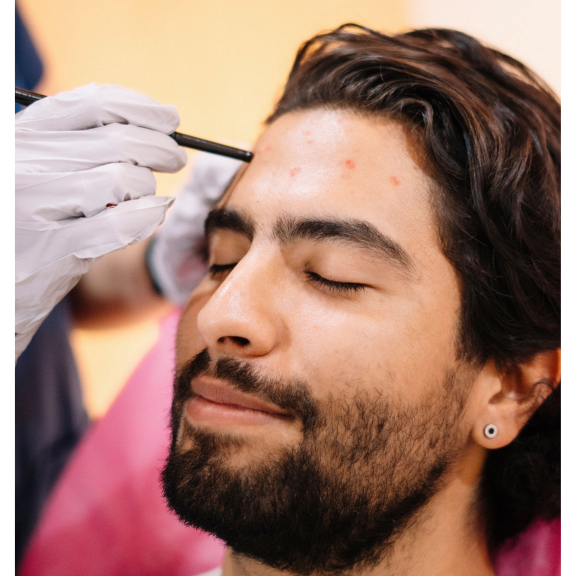
Some men consider a second hair transplant after enjoying an earlier improvement. Others seek further treatment because native hair has continued to recede. A second procedure may be possible, but it needs a new assessment. The first operation changes both the donor and recipient areas.
The aim should not be to repeat the original plan automatically. Hair loss, priorities and available grafts may now be different. Scarring and previous extraction patterns also influence the options. A fresh strategy is essential before another procedure is booked.
Reasons for a second procedure vary
A man may want more density in an area treated several years earlier. He may also have developed a new gap behind transplanted hair. Some patients wish to address the crown after focusing on the front. Others need corrective work following an unsatisfactory result.
Each reason creates a different clinical challenge. Adding density is not the same as repairing poor direction or visible scarring. The consultation should define the problem in practical terms. Clear goals help prevent another procedure from becoming an open-ended attempt at perfection.
The donor area must be reassessed
Every previous extraction reduces the remaining donor supply. The team needs to examine density, scarring and the pattern of earlier removal. An area that still looks full may not support the same harvest again. Safe limits matter more than the desired graft total.
Previous FUE can leave extraction spread across a wide zone. Previous strip surgery creates a linear scar and changes scalp flexibility. The new plan must account for the technique already used. Medical records and photographs can help the assessment when they are available.
Native hair may have changed
Transplanted hair can remain while surrounding native hair becomes thinner. This may create visible separation behind a restored hairline. A second procedure can sometimes address that change. It should also consider what further loss may occur later.
The practitioner may discuss methods for managing ongoing hair loss. Any medication decision requires suitable medical guidance. Surgery moves follicles but does not treat every biological cause of thinning. Patients need to understand these separate roles.
Existing grafts limit placement choices
The recipient area may already contain transplanted and native follicles. New openings must be created without unnecessary damage to existing growth. This can make dense packing more complex than the first procedure. Experience with secondary work becomes especially important.
The direction of existing grafts also shapes the new design. Well-placed hair can guide a natural extension. Poorly angled grafts may require camouflage or another corrective approach. The clinic should explain which result is realistically achievable.
Repair work needs careful expectations
Correction cannot always erase every sign of an earlier procedure. Scarring, depleted donor hair and unnatural placement may restrict the options. A repair plan may focus on improvement rather than complete reversal. Patients should be cautious about anyone promising a perfect rescue.
Men looking for a hair transplant clinic should ask to see relevant secondary cases. Similar donor history and hair characteristics make examples more useful. Photographs should show consistent angles and lighting. Honest limitations are as important as successful images.
Timing should allow proper assessment
Hair transplant results take many months to develop. Planning another procedure too early can lead to poor decisions. The first result should usually have enough time to mature before density is judged. The treating team can explain the appropriate review point for that case.
Scalp healing also continues after the visible redness has settled. The condition of both treatment areas must be considered. Rushing can make accurate planning harder. Time allows the patient and clinic to identify the real remaining concern.
A long term plan protects future choices
A second transplant may still not be the final procedure a man ever needs. Future loss can create new priorities. The donor supply must therefore be used with the same caution as before. Each operation should fit one coherent long-term strategy.
Second procedures can offer meaningful improvement for suitable patients. They require detailed assessment of previous work and remaining resources. The strongest plan accepts the limits created by the first operation. Careful judgement protects both the next result and any choices that follow.
Costs should reflect additional complexity
A second procedure may take longer to plan because the scalp has already been altered. Repair work can require specialised placement and a cautious donor approach. The quotation should explain what assessment, surgery and follow-up include. Patients should not assume the price will match their first treatment.
Travel and time away from work may also affect the total cost. Corrective procedures sometimes need staged treatment rather than one long session. The clinic should explain this possibility before payment. Financial planning is easier when the likely pathway is clear.
Aftercare may need to be adjusted
Previous scars and existing grafts can change how the scalp is treated during recovery. The patient should not simply reuse instructions from an earlier procedure. The new clinic must provide guidance for the work it performed. Differences in technique can lead to different washing or activity advice.
Follow-up should examine both donor preservation and recipient growth. Consistent photographs can help compare the two procedures. The patient should report unusual pain, redness or swelling promptly. Access to the team remains important even when the first experience was straightforward.
The most valuable second procedure addresses a clearly defined priority. It may strengthen the front, connect a new area or improve an earlier design. Trying to change everything at once can exhaust limited donor hair. A focused goal gives the new plan a better chance of success.
A written summary can help the patient compare the new proposal with his previous records. It should identify the intended area, estimated graft use and remaining limitations. This makes the reasoning easier to review after the consultation. Clear documentation is particularly useful when several clinics offer different repair strategies.