Businesses in Kettering

- Thursday 18th June 11:00am until 3:00pm
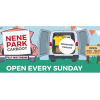
Family Run Car Boot and Farmers Market in the beautiful Northamptonshire Countryside A fun day out for the whole family in the countryside with plenty of space to have a great day!

- Thursday 18th June 12:40pm until 2:30pm
A Weekly Walking Group for people with limited mobility, meeting every Thursday at 12.40pm at Kettering Market Place.
- Valid until: 30/06/2026
SHORT BREAK
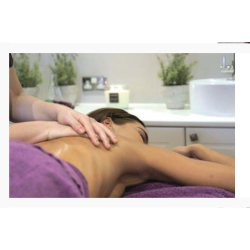
It’s time to make the most of your stay with us, enjoy more time to relax, with a break at Kettering Park.
Escape away from it all and choose from a variety of overnight choices including an exceptional four night break or a quick one night away.
from £162.50 per person

- Thursday 18th June 7:30pm until 10:00pm
White Horse Quiz Night. Cash Prizes and drinks vouchers to be won.

- Valid until: 30/06/2026
50% Off Storage Units for 3 Months When You Book Online*
- Valid until: 30/06/2026
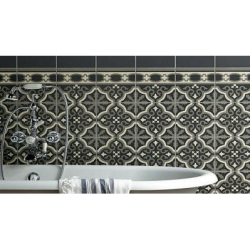
Up to 20% discount on tiles, available, please call in to see our extensive and most exclusive range of Wall and Floor Tiles.

- Valid until: 30/06/2026
The White Horse, Old
There’s nothing better than good food and great company!
Join us at The White Horse and enjoy 2 selected mains for just £25.
Perfect for a relaxed working lunch, a catch-up with friends, or a well-earned midweek treat. Offer available Tuesday-Friday 12pm-5pm.
Pop in...
Welcome to The Blitz Tea Rooms and Jazz Lounge in Kettering. This is the most friendly and authentic 1940's Tea Rooms in the area, serving a range of afternoon teas, lunches and drinks in superbly designed period surroundings.



The best businesses
We have searched and found the best recommended Kettering businesses around.
What's on guide
Keep up to date with Kettering events and add your events for free.

Special offers
We have collected the best local offers in Kettering, just for you!

News and updates
Keep up to date with all the latest and best things Kettering.