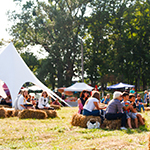
Altrincham Market is the place to be this May Day, 1st May 2010. There will be lots for the whole family to enjoy including Crafts, Music and Entertainment.
You can also enjoy demonstrations of local crafts like Coppice and Bodging - Please see below what these crafts which date back to the 15th century include.
The music and dancing by the Manchester Morris Men will be between 10.30-11.45am. Again about 500 years old, this very English of spectacles, If you like Men in Tights then this is a sight not to be missed! The history of this dance is interesting too, however we will let you look that up, however in brief it is believed to be a fertility Dance and includes tales of Druids and Celts by many.
You can also enjoy the Altrincham Market itself, with many great stool it is know as "the local supermarket", opening times on Saturdays are 9am to 4pm on the day. Have a great time. If you go why not post a comment on this blog!
For more information on teh market please see: http://www.altrinchammarket.co.uk
General Market Opening Times: (as at May 2010)
Tuesdays & Saturday - 9am-4pm
General Retail with a variety of stalls selling a range of goods from fresh, local produce to its famed flowers, fruit and fish as well as household goods, gifts, plants and bags.
Thursday - 8am-4pm
Antiques and Bric-a-Brac – now an established market.
Fridays - 9am-4pm
Smaller scale general retail market
More Information:
The craft of Coppice / Coppicing includes – “Oak framed buildings (don’t expect to see that on the day), hazel hurdles, oak framed wattle panels, garden and house hedge-row furniture, tree planting, hedge laying, and other traditional coppice-crafts” the materials used are often from a sustainable source. Information from - www.coppice-craft.com
Bodging – “selecting a not too old, leggy (quickly grown) beech tree within a stand would have been the ideal choice for the bodger. Tools needed to be a bodger are limited to a saw, axe, chisels, draw-knife and a lathe (traditionally a pole lathe) for turning. He would have a lonely existence working from temporary woodland workshops near to where he had felled the tree. The tree would be sawn into billets about the right length for the chair legs. The billet would be split into many pieces using a wedge. The axe would be used to shape the pieces into the shape of a chair leg. The axe would only sharpen on one side. The bodger would then use a two handled draw knife to refine the shape of the leg. Finally, using a pole lathe (made of wood and string) the bodger would finish off his work. The finished chair legs would be left in the woods to season for a few weeks (depending on the weather) then taken to a centre for making chairs. Once at the centre the benchman (dealing with the sawn part of the chair) and the framer (dealing with assembling the chair) would take over.” Information from www.ukcraftfairs.com/guide-to-bodging